The Power of Play: How Light Years Ahead Academy Creates a Fun Learning Environment
May 13, 2025

Play is often regarded as just a fun and carefree activity for children. However, at Light Years Ahead Academy, we recognize that play is one of the most powerful tools in early childhood education. It is through play that children develop cognitive, social, emotional, and physical skills that will serve them throughout their lives. In this blog post, we’ll explore the importance of play in early childhood development and how Light Years Ahead Academy incorporates play-based learning into our curriculum to create an engaging and effective learning environment.


The Importance of Play in Early Childhood Education

Play is not merely an entertaining activity for children; it’s an essential part of their development. Research has shown that play fosters a wide range of developmental skills, including:


  • Cognitive Skills: Through play, children learn to think critically, solve problems, and engage in creative thinking. They practice decision-making, experiment with cause-and-effect relationships, and explore new ideas.

  • Social Skills: Play encourages children to interact with their peers, share, take turns, negotiate, and resolve conflicts. These social interactions lay the foundation for developing empathy and understanding.

  • Emotional Skills: Play provides children with a safe space to express their feelings and emotions. It helps them manage stress, understand their emotions, and build resilience.

  • Physical Skills: Many types of play involve movement, helping children improve their fine and gross motor skills, coordination, and overall physical health.

By engaging in purposeful play, children acquire skills that will benefit them academically and socially as they grow.


Creating a Fun Learning Environment at Light Years Ahead Academy

At Light Years Ahead Academy, we are committed to providing a learning environment that prioritizes play as a means of fostering development. We believe that learning should be fun, and our play-based curriculum reflects this philosophy. Here’s how we integrate the power of play into our educational approach:


1. Hands-On Learning through Exploration and Discovery

One of the core components of our play-based approach is encouraging children to explore and discover the world around them. Children are naturally curious, and our classrooms are designed to spark that curiosity by offering a variety of hands-on learning experiences. From interactive science experiments to building structures with blocks, our activities allow children to explore, investigate, and problem-solve in a dynamic environment.


We provide a range of materials that encourage children to create, experiment, and imagine. Whether they are engaged in imaginative play with costumes, constructing a tower with blocks, or experimenting with sensory materials like water and sand, children learn through direct interaction with their surroundings. This form of exploration helps children build their cognitive abilities as they make sense of the world around them.


2. Imaginative and Role-Playing Activities

Imaginative play is another vital aspect of our curriculum. By engaging in role-playing activities, children have the opportunity to use their imagination, develop empathy, and practice social interactions. Whether they are pretending to be doctors, chefs, or astronauts, children engage in scenarios that allow them to experiment with different roles and perspectives.


Role-playing also gives children the chance to practice important social and communication skills. They learn how to negotiate, collaborate, and take turns—all while having fun. These activities help them develop problem-solving skills and creative thinking as they work together to build stories and create their own adventures.


At Light Years Ahead Academy, we provide a variety of props, costumes, and materials that enhance imaginative play. Our classrooms are designed to be rich in opportunities for role-playing, encouraging children to express themselves, develop their social-emotional skills, and discover new ways of thinking.


3. Movement and Physical Play

Physical play is not only important for building physical strength and coordination, but it also supports cognitive and emotional development. Our after-school care and early childhood programs at Light Years Ahead Academy ensure that children have ample opportunities to engage in physical activity. We understand that movement is critical for young children’s growth, so we provide a range of activities designed to support their gross motor development.


Children participate in activities such as running, climbing, jumping, and playing with balls. Outdoor playtime is a key component of our daily schedule, where children can engage in games like tag, relay races, and obstacle courses. These activities help children develop coordination, balance, and motor skills, all while having fun with their peers.


In addition to outdoor play, we also incorporate movement into our indoor learning activities. Simple actions like dancing, jumping, or stretching to music can help children build physical strength and coordination. We recognize the importance of physical activity in maintaining overall health and well-being, so it is woven throughout our daily routines.


4. Artistic Expression and Creativity

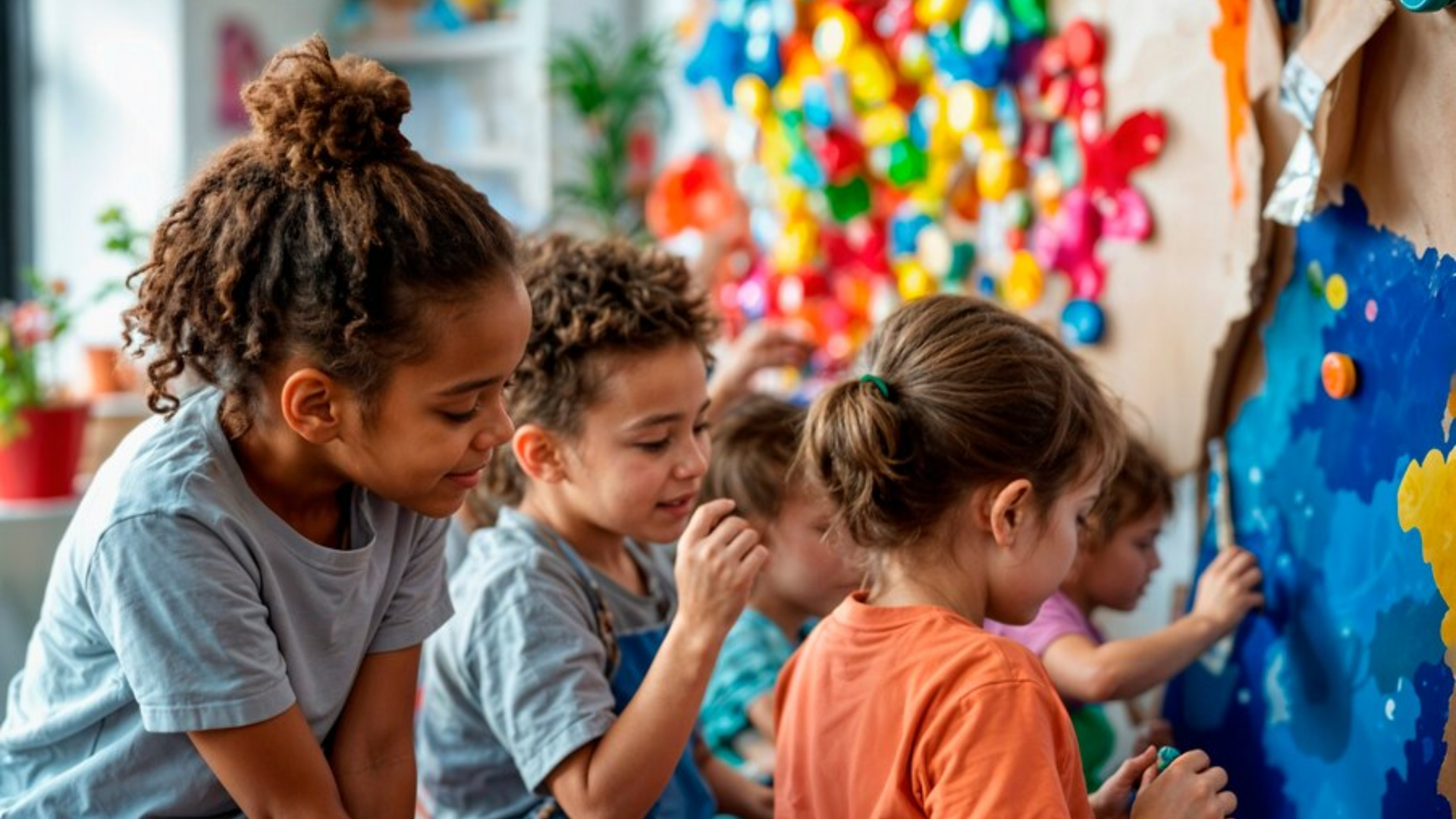
Creative expression is another vital aspect of play at Light Years Ahead Academy. Our classrooms are designed to provide children with a variety of art materials and activities that foster creativity and self-expression. Through art, music, and drama, children have the opportunity to express themselves, explore different mediums, and discover new forms of communication.


Children engage in activities such as drawing, painting, sculpting, and even performing in small dramatic plays. These activities help children develop fine motor skills, boost their confidence, and enhance their ability to express their emotions and ideas. Art also provides children with a sense of accomplishment, as they can see the results of their creativity and hard work.


We understand that creativity is essential for problem-solving, and by providing opportunities for artistic expression, we encourage children to think outside the box, experiment with new ideas, and express their individuality.


5. Structured Play with Purposeful Learning Goals

While play is naturally unstructured, we recognize the value of combining free play with structured activities that have specific learning goals. At Light Years Ahead Academy, our teachers design play-based activities that align with educational objectives, ensuring that children develop the skills they need while still having fun.


For example, a simple game of “store” where children pretend to buy and sell items can be used to teach them about numbers, counting, and basic math concepts. By embedding educational goals into play, children can practice academic skills in a relaxed and enjoyable environment. These purposeful play activities allow children to engage with new concepts in a way that feels natural and enjoyable.


6. Building Strong Relationships Through Play

Play is an excellent way for children to build relationships with their peers and develop important social-emotional skills. At Light Years Ahead Academy, we emphasize the importance of teamwork, collaboration, and communication. Through group play and shared activities, children learn how to cooperate, negotiate, and share resources.


Group play helps children develop empathy by encouraging them to consider the feelings and needs of others. They learn to work together to accomplish tasks, share ideas, and build friendships. These social skills are critical for success in both school and life, and they are nurtured through playful interactions with others.


The Benefits of Play at Light Years Ahead Academy

The benefits of play-based learning are vast. It not only supports cognitive, social, and physical development but also nurtures emotional growth and creativity. At Light Years Ahead Academy, we believe that play is a powerful tool for learning, and our curriculum is designed to ensure that children engage with the world in an active and meaningful way.


Our play-based approach creates a fun and enriching learning environment where children are excited to learn and explore. By combining structured activities with free play, we provide a balanced approach to early education that promotes holistic development. Children who engage in play-based learning develop a love for learning, strong problem-solving skills, and a positive attitude towards school.


How Play-Based Learning Translates to Kindergarten Readiness

One of the key benefits of our play-based approach is that it prepares children for the transition to kindergarten. By engaging in hands-on activities that foster academic, social, and emotional growth, children build the skills they need to thrive in a formal school setting. The creativity, problem-solving, and social skills they develop through play provide a strong foundation for future learning and success.


If you're interested in understanding the best age to start childcare, we invite you to explore our article on the best age to start childcare. For those looking to secure their child's spot in a top Orlando childcare program, our guide on how to secure your child’s spot in a top Orlando childcare program will provide helpful insights to ensure that your child gets the most out of their early learning experience.


A family is sitting on a couch in a living room playing with toys.
By Masiel Perez April 14, 2025
Wondering If It’s Too Soon? Here’s the Truth. Preschool is a big step — for both your child and you. And if you're asking yourself, “Are they really ready for this?”... you’re not alone. Some kids take off running toward their classroom on day one. Others cling to you like you’re leaving forever (been there). Either way, there are signs that your little one is ready to take that next step. Let’s break down what readiness really looks like — no pressure, no comparison. Just real talk from educators and parents who’ve walked this road. 1. They’re Curious and Love Learning Through Play If your child is constantly asking “why?”, pretending to be a chef, building with blocks, or exploring nature — those are big signs of learning readiness. Preschool isn’t about memorizing facts. It’s about helping kids explore the world through: Sensory activities Music and movement Storytime and conversation Hands-on play and problem-solving Curiosity is the foundation of all learning. If your child shows that spark — they’re more ready than you think. 2. They Can Follow Simple Instructions Preschool teachers don’t expect perfection — but being able to follow basic directions helps your child succeed in a group setting. Can your child: Follow a 1- or 2-step instruction (e.g., “Put your shoes in your cubby and wash your hands”)? Clean up toys when asked (even if they need a little reminder)? Transition from one activity to another with some guidance? These are skills that build in preschool — but showing signs of them now is a good indicator your child is ready for the classroom rhythm. 3. They Show Signs of Independence No, your child doesn’t need to be 100% self-sufficient. But small signs of independence go a long way in preschool. Think: Trying to put on their own shoes Using the potty (or showing signs they’re ready to learn) Carrying a backpack or choosing their own snack Expressing needs like “I’m tired” or “I need help” Preschool helps develop these skills further — but starting with even just a little independence gives your child a big confidence boost. 4. They’re Starting to Socialize With Other Kids Your child doesn’t have to be a social butterfly, but showing interest in other kids — even just parallel play — is a key preschool readiness sign. Look for: Sharing toys (even if it’s a work in progress) Imitating or copying peers Showing concern when another child is upset Saying “hi” or engaging in simple pretend play Preschool is where these skills really grow, but if your child is starting to notice and interact with others — they’re on track. 5. They Have Basic Communication Skills Your child doesn’t need to speak in full paragraphs to succeed in preschool. What matters is whether they can communicate needs and understand instructions. Can they: Ask for help? Say “yes,” “no,” or shake their head clearly? Express when they’re hungry, tired, or need the bathroom? Understand common classroom phrases like “time to clean up” or “line up”? We support a wide range of language development in our program — and our teachers are trained to work with both chatterboxes and the more reserved kiddos. What If My Child Has Never Been in a Group Setting? Totally normal. Many of our preschoolers start without any previous daycare or group experience. Here’s what helps ease the transition: Visiting the school before the first day (even more than once) Creating a goodbye ritual at drop-off Keeping communication open with your child’s teacher Practicing preschool routines at home (washing hands, sharing, clean-up time) We’re here to help your child adjust at their pace — gently and with lots of support. What If My Child Has a Speech Delay or Needs Extra Support? Preschool is often where children blossom — especially when early intervention is available. At our center, we offer: On-site speech therapy, OT, and early intervention services A supportive, inclusive environment Staff trained in child development and behavior guidance Collaboration with families and specialists If you’re unsure whether your child is “ready,” let’s chat. Schedule a readiness tour and we’ll help you decide what’s best for your family — no judgment. Final Thoughts: Readiness Doesn’t Mean Perfect Preschool readiness doesn’t look the same for every child. And that’s okay. Your child might still need help with potty training. They might cry at drop-off for a few weeks. They might struggle to share their favorite toy. And guess what? That’s normal. Our job as educators is to meet your child where they are — and help them grow. Still unsure? Book a preschool readiness tour this fall and let us help you decide. We’ll support you (and your child) every step of the way.
A woman is holding a baby while using a laptop computer.
By Masiel Perez April 14, 2025
You Deserve More Than Just “Good Enough” When you type “best daycare near me” into Google, it’s because you want more than just a safe place. You’re looking for a place where your child is known, cared for, and learning every single day. But let’s be real — every center says they’re the best. So how do you actually spot the right one for your family? If you're enrolling for Fall 2025, this guide breaks down what to look for, what to ask, and how to trust your instincts when choosing a daycare. What Makes a Daycare One of “The Best”? Keywords: best daycare near me, high quality childcare, fall daycare options A great daycare isn’t about fancy marketing or new furniture — it’s about consistency, quality, and relationships. The best programs have: Qualified, caring teachers A clean, safe, child-centered environment Curriculum that fosters learning through play Good communication with parents Positive energy and calm routines If your gut says “I could see my child here,” you’re already on the right track. How to Use Reviews and Recommendations (Without Getting Overwhelmed) Yes — reviews matter. But they aren’t the whole picture. Here’s how to use them wisely: Look for recent reviews that talk about specific staff, experiences, or changes Check Google, Facebook, and the center’s own website Ask other parents at the park, community events, or in local Facebook groups Don’t panic over one bad review — look for overall patterns Want to hear directly from other families in our program? We’re happy to connect you — just send us a message. What to Observe During a Tour Keywords: preschool tour, daycare checklist, classroom visit Your tour tells you more than any brochure ever could. Pay attention to: How the staff interacts with kids: Are they down on their level? Smiling? Patient? How the space smells and feels: Clean, fresh, and not chaotic? How the children behave: Are they engaged, playing, talking — or sitting around bored? How you’re greeted: Do they make time for your questions, or rush you through? Ask to see the classroom your child would be in. And don’t be afraid to ask for a follow-up visit or bring your child along for a meet-and-greet. Don’t Forget to Ask About Fall Programs & Schedules Some daycares adjust their offerings seasonally. For Fall 2025, ask: Are full-time and part-time options available? Do you have wrap-around care for VPK hours? What fall themes, holidays, or activities are planned? When do fall programs start, and what’s the cut-off for enrollment? At our program, we kick off fall with sensory play, seasonal crafts, outdoor learning, and back-to-school fun. We’re also happy to hold spots with flexible start dates. Trusting Your Gut as a Parent Even if a daycare checks all the boxes, it may not feel right. And that’s okay. The best daycare for one family isn’t always the best for another. Trust your instincts when it comes to: The way staff communicate with you Whether your child feels comfortable during the visit If the environment matches your family’s values and priorities How the program makes you feel as a parent You’ll know when you’ve found a place that honors your child’s personality and your parenting style. What Makes Our Daycare One of the Best Here’s what families tell us they love most: Loving, credentialed teachers who build real relationships Bilingual curriculum and cultural inclusivity On-site support services like speech, OT, and behavioral support Healthy meals, diapers, and wipes included A mix of structured learning and play-based fun Daily communication through our parent app Fall family events, enrichment themes, and flexible care options But don’t just take our word for it — schedule a tour and feel the difference for yourself. Final Thoughts: “Best” Means the Best Fit There’s no one-size-fits-all answer. The best daycare is the one that supports your child’s growth, respects your family values, and makes mornings feel less stressful — not more. So ask the questions. Take the tour. Trust your gut. Because when you find the right place? You’ll feel it. Ready to find your perfect fit? Schedule a tour today and see why families choose us each fall — and stay with us for years to come.
Woman working on laptop while holding a baby. They sit on a white sofa in a living room.
By Masiel Perez April 14, 2025
It’s Not Just Your Kid — We’ve All Been There You finally get everyone out the door, backpack packed, snacks in hand — and then the tears hit. Your child clings to you. Won’t let go. Maybe you're crying too (no shame in that). Separation anxiety is common during preschool drop-off, especially in the first weeks of fall. But here’s the truth: this transition doesn’t have to be traumatic — for your child or for you. Let’s talk about how to handle it like a pro. Why Drop-Off Meltdowns Happen (Even for the Most Social Kids) Keywords: separation anxiety preschool, emotional readiness, daycare adjustment Preschool is a big adjustment — new faces, new routines, and you’re not there. Even outgoing kids can experience anxiety when things feel unfamiliar. It’s not about bad behavior — it’s about your child’s need for: Security Routine Reassurance Your child’s tears aren’t a sign you made the wrong choice. They’re a sign they’re learning how to trust a new environment — which is a huge life skill. 5 Ways to Make Fall Drop-Offs Smoother Here’s what works (and what we encourage families to try): 1. Create a Short and Consistent Goodbye Ritual Say the same thing each day. For example: “Kiss, hug, wave at the window. Mommy always comes back.” Quick, sweet, and consistent. 2. Don’t Linger (Even if It Feels Harsh) The longer you stay, the harder it becomes. Prolonged goodbyes build up emotion. Hand your child off with love — then let the teachers take it from there. 3. Use Transitional Objects A small family photo, special keychain, or “love rock” in their backpack can help them feel connected to you. 4. Talk Positively About School at Home At dinner or bedtime, ask what they played with, who they met, or what snack they liked. Talk about drop-off as something brave and exciting. 5. Trust the Process Crying usually fades within the first 10–15 minutes — and after a few weeks, it often disappears altogether. We’re trained to handle it with empathy, distraction, and kindness. And we always let you know how your child is doing after you leave. What If the Crying Doesn’t Stop After a Few Weeks? Every child adjusts at their own pace, but if it continues beyond 3–4 weeks, we may work together to: Adjust routines or classroom placement Revisit your child’s comfort objects or language support Provide you with regular updates and tips from their teacher You’re not alone in this — and your child will adjust. Final Thoughts: Drop-Off Tears Don’t Last Forever Fall transitions can be tough, but they’re also a huge opportunity for growth. You’re teaching your child how to say goodbye and trust that the world is still safe without you in the room. That’s not just brave — that’s powerful. Need support with drop-offs this fall? Schedule a tour or reach out to our team — we’re here to walk this transition with you.
A family is sitting on the floor in a living room putting money into a piggy bank.
By Masiel Perez April 14, 2025
Yes — You Can Save on Childcare and Still Get Amazing Quality Let’s be real: childcare isn’t cheap. And during fall enrollment season, the bills can pile up fast. But good care doesn’t have to cost a fortune — especially when you know where to look and what to ask. Here are 7 real ways families save on daycare and preschool without cutting corners on their child’s care. 1. Use Florida’s VPK Program — It’s Free If your child turns 4 by September 1, 2025, they qualify for free preschool through the VPK program. Covers 3 hours per day No income requirements Available at private centers like ours Apply early to lock in your spot. We’ll even help you complete the paperwork. Start here. 2. Apply for School Readiness (SR) Scholarships Florida’s School Readiness Program offers income-based childcare assistance for working families. This can reduce your tuition drastically — sometimes down to a few dollars per week. We accept SR and support you through the approval process. 3. Choose a Part-Time Schedule If you don’t need full-day care, consider a part-time schedule: 2–3 full days a week Half-day mornings Shorter hours with wrap care when needed It saves you money and offers structure and social development for your child. 4. Ask About Sibling Discounts Have more than one child? Many centers (ours included) offer discounts for siblings attending at the same time. Don’t be shy about asking! 5. Look for All-Inclusive Programs The cost of supplies, meals, and diapers adds up. We include all of that — meals, snacks, diapers, wipes — so you’re not paying hidden fees every week. Look for centers that build value into the tuition. 6. Use Your Employer’s Dependent Care FSA If your job offers a Flexible Spending Account (FSA) for dependent care, use it! You can set aside pre-tax dollars for preschool or daycare costs, which lowers your taxable income. Ask your HR department what’s available to you. 7. Enroll Early and Ask About Promotions Fall enrollment fills up fast, but enrolling early can sometimes unlock discounts or fee waivers. Some providers (like us!) offer registration discounts or free weeks during promotions — especially in summer or early fall. Final Thoughts: You Don’t Have to Choose Between Quality and Affordability The best childcare programs understand real families and real budgets. It’s not about choosing the cheapest option — it’s about choosing the smartest one. And we’re here to help you make it work. Looking for affordable childcare options this fall? Contact us to talk through VPK, scholarships, part-time care, and flexible payment options. Let’s find what works for your family.
A family is sitting on the floor playing with blocks.
By Masiel Perez April 14, 2025
Let’s Talk About It: Is Private Preschool Really Worth It? When parents start thinking about preschool, one of the first questions that comes up is: “Should I consider private preschool?” We get it — private programs come with a price tag. But they also come with value that can have a lasting impact on your child’s learning, confidence, and love for school. If you’re weighing your options for Fall 2025, let’s break down the benefits of private preschool — and why it might be the best decision your family makes this year. What Is a Private Preschool, and How Is It Different? Private preschools are independently run early childhood programs that aren’t managed by a public school district. That means more flexibility in: Curriculum design Classroom size and structure Enrollment age and schedule Staff training and enrichment offerings These schools are typically tuition-based, but many accept financial aid, scholarships, and funding programs like VPK or School Readiness to offset costs. Key Benefits of Choosing a Private Preschool Smaller Class Sizes = More Individual Attention In many public or subsidized programs, ratios can be as high as 1 teacher for every 18–20 children. In private preschools like ours, you’re more likely to see 1:10 or even 1:8. Smaller class sizes mean: More individualized support Stronger teacher-child relationships Less overstimulation and better behavior management More time for hands-on learning and interaction Highly Trained, Passionate Educators Private programs often invest more in professional development, meaning your child’s teachers are more likely to hold: Degrees or certifications in early childhood education CPR/First Aid and safety training Ongoing workshops in literacy, behavior support, or sensory play Our educators aren’t just qualified — they’re passionate, dedicated, and genuinely love what they do. That makes a difference. Curriculum Designed for Real Growth Private preschools have the freedom to offer more dynamic and enriching curriculum experiences. In our program, that looks like: Bilingual instruction and cultural inclusion STEAM activities (Science, Tech, Engineering, Art, Math) Music, movement, and mindfulness Early literacy and numeracy woven into play Real-world learning through sensory exploration and themed units The result? Kids who are school-ready and excited to learn — not just academically, but socially and emotionally too. More Flexibility and Family Support Need part-time care? A custom schedule? Extended hours? Private preschools are often better equipped to flex around your family’s needs. We offer: Full-day, part-day, and wrap-around care Family events and parent-teacher communication tools Support for special needs or early intervention Guidance on scholarships and funding applications Our goal is to support your whole family, not just your child during the day. Are There Financial Aid Options for Private Preschool? Yes! Many families don’t realize that private preschools can accept a variety of funding sources to help cover costs. These include: VPK (Voluntary Prekindergarten) - Free 3-hour programs for 4-year-olds, regardless of income. School Readiness - Helps income-eligible families reduce or eliminate tuition costs. Personalized Education Program (PEP) - Provides scholarship funds for pre-K learning, therapy, and services. Our team will walk you through the process and make sure your family gets every dollar you’re eligible for. Contact us here to get started — it’s easier than you think. Is It Worth the Tuition? We’ll say this: the value of a strong early education far outweighs the cost in the long run. Here’s what families gain from private preschool: A personalized, attentive learning environment Earlier identification and support for learning needs Confidence and independence for your child Peace of mind for you A strong foundation for kindergarten — and beyond And when scholarships or state funding are applied, many families find that tuition becomes much more affordable than expected. Final Thoughts: Your Child Deserves a Great Start Private preschool isn’t just about paying more — it’s about getting more for your child’s critical early years. From smaller class sizes to stronger family partnerships, a private program offers depth, flexibility, and support that can change the way your child sees school. If you’re still unsure, take a tour. Ask your questions. Compare. Then decide what feels right for your family. Interested in private preschool for Fall 2025? Let’s talk about programs, tuition, and funding options that work for your family. Schedule a tour here!
A family is sitting on the floor giving each other a high five.
By Masiel Perez April 14, 2025
Don’t Just Ask If They Have Spots — Ask the Right Questions You finally found a preschool near you with Fall 2025 availability — score! But before you rush to enroll, let’s slow down for a second. Having an open spot is great. But not all preschools are the same. The right questions will help you figure out if it’s a good fit for your child and your family. Here are 7 questions every parent should ask when touring or calling a preschool. Save this, print it, whatever you need — these answers will tell you everything. 1. Is There a Waitlist or Are Spots Still Open? Just because they say “Fall spots available” doesn’t mean they’re wide open. Ask: How many spots are left in your child’s age group? Are those spots full-time, part-time, or VPK only? If it fills up, can your child be placed on a priority list or waitlist? If you’re considering programs like VPK or School Readiness, make sure you ask how those impact availability. Some centers have dedicated scholarship slots that fill quickly. Looking to grab your spot? Schedule a tour with us here and ask these in person — we’ll give you the full breakdown. 2. What’s the Daily Routine Like? You don’t want your child in a room where they’re just “kept busy.” You want structure, learning, and time to be a kid. Ask for a sample schedule and look for a balance of: Free play and structured learning Circle time, stories, songs, and hands-on activities Outdoor play (yes, even in the fall!) Meals and rest time At our program, every day includes learning through play, social-emotional development, and movement — with time for snacks, naps, and giggles too. 3. What Is the Teacher-to-Child Ratio? This matters more than you think. Lower ratios = more attention for your child and less chaos in the classroom. For 3- to 5-year-olds, Florida standards allow up to 1 teacher for every 20 children in some cases — but many high-quality programs keep it lower (like 1:10 or 1:12). Ask: What’s the ratio in my child’s age group? Do teachers have assistants or floaters to help during transitions? How do you handle larger group activities? Our classrooms are intentionally small to give kids more one-on-one time and better support. 4. What Curriculum or Learning Approach Do You Use? This is where you’ll get insight into how your child will grow and learn. Look for programs that follow a structured yet flexible curriculum — one that encourages play, social interaction, early literacy, and problem-solving. Ask: Is your curriculum aligned with kindergarten readiness? How are lessons taught — through play, projects, or worksheets? Do you offer bilingual instruction, STEAM activities, or sensory learning? We use a play-based, culturally inclusive curriculum that helps each child build confidence while hitting those early academic goals. 5. How Do You Handle Illness, Absences, and Safety? Life happens. You want to know how the program responds — with fairness and transparency. Ask: What’s your policy for sick days or extended absences? Are make-up days available for part-time schedules? What health/safety measures are in place (cleaning, illness reporting, emergency drills)? Do you notify families about illness exposure? Our team takes health and safety seriously — from sanitation routines to family communication. You’ll always know what’s going on. 6. What Seasonal Activities Happen in the Fall? A good preschool brings the seasons to life. Ask what fall activities they offer — it tells you how engaged the program really is. Look for: Classroom themes (like apples, pumpkins, leaves) Fall crafts, sensory bins, or science experiments School photo day, dress-up weeks, or a fall family picnic Parent-teacher conferences or family check-ins We love fall around here — and your child will too. Expect hands-on fun, family connection, and themed learning all season long. 7. What’s the Next Step to Enroll? This is your moment to move forward. Once you feel good about the answers, ask how to lock in your child’s spot. Ask: Do I need to submit an application or deposit? What documents should I bring? Do I need to apply for VPK or School Readiness before enrolling? We make enrollment simple — just reach out here and we’ll walk you through everything. No pressure, no confusion. Final Thoughts: Don’t Just Settle — Find the Right Fit Fall preschool spots may be limited, but that doesn’t mean you should rush your decision. Ask the questions that matter. Pay attention to how you’re treated. And most of all — trust your gut. You’re not just picking a program. You’re picking a team to help raise and educate your child. That choice deserves thoughtful questions and clear answers. We have limited availability for Fall 2025 — book a tour today and ask us these questions in person. We’ll answer them all — honestly, and with heart.
Children sitting in a circle on a rainbow parachute, holding its edges.
By Devonna Harrison March 21, 2025
Explore the benefits of daycare summer camps for preschoolers in Orlando! From social development to fun learning activities, discover why summer camp is a great choice for your little one.
Children playing a line game in a grassy field, holding hands, smiling.
By Devonna Harrison March 21, 2025
Discover budget-friendly Pre-K summer camp options in Orlando! Explore tips, resources, and local programs to find the perfect affordable camp for your little one. Start planning today!
A group of children are raising their hands to answer a question in a classroom.
By Melanie Rivera February 18, 2025
How to Secure Your Child’s Spot in a Top Orlando Childcare
A family is sitting on a couch reading a book together.
By Melanie Rivera February 18, 2025
Is Daycare All Year Round? Here’s What You Should Know